
As we celebrate International Women’s Day, it’s essential to recognize and honor the remarkable women who hold significant cultural importance in various parts of the world.
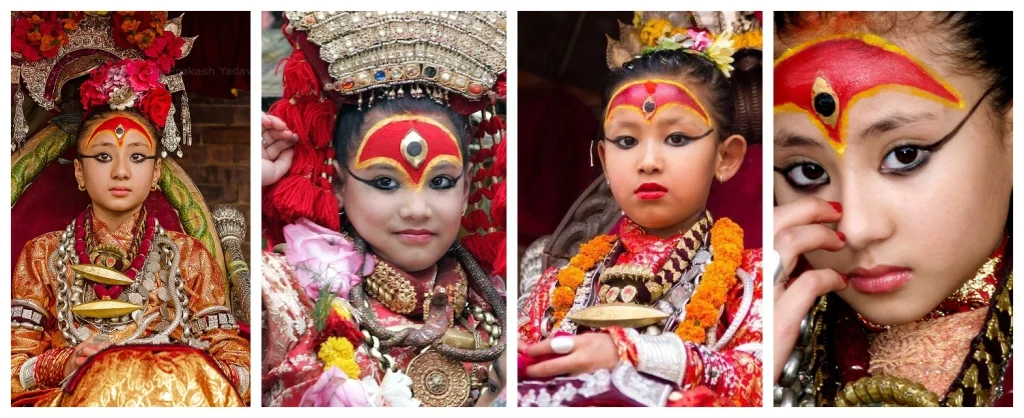
One such extraordinary figure is the Living Goddess of Nepal, a symbol of divine feminine power and tradition.
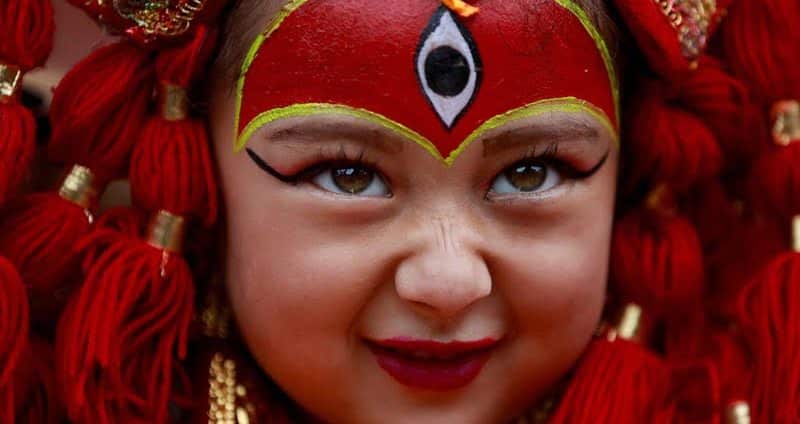
The Living Goddess Tradition:
The Living Goddess, known as Kumari in Nepali, is a unique and revered tradition deeply rooted in Nepalese culture.
The Kumari is a young prepubescent girl selected from the Newar community of Kathmandu Valley, who is believed to be the earthly incarnation of the Hindu goddess Taleju. She is worshipped as a living deity and revered by both Hindus and Buddhists alike.
Selection Process:
The selection process for the Kumari is meticulous and steeped in ancient rituals. The chosen candidate must meet strict criteria, including possessing specific physical attributes and belonging to the Shakya caste.
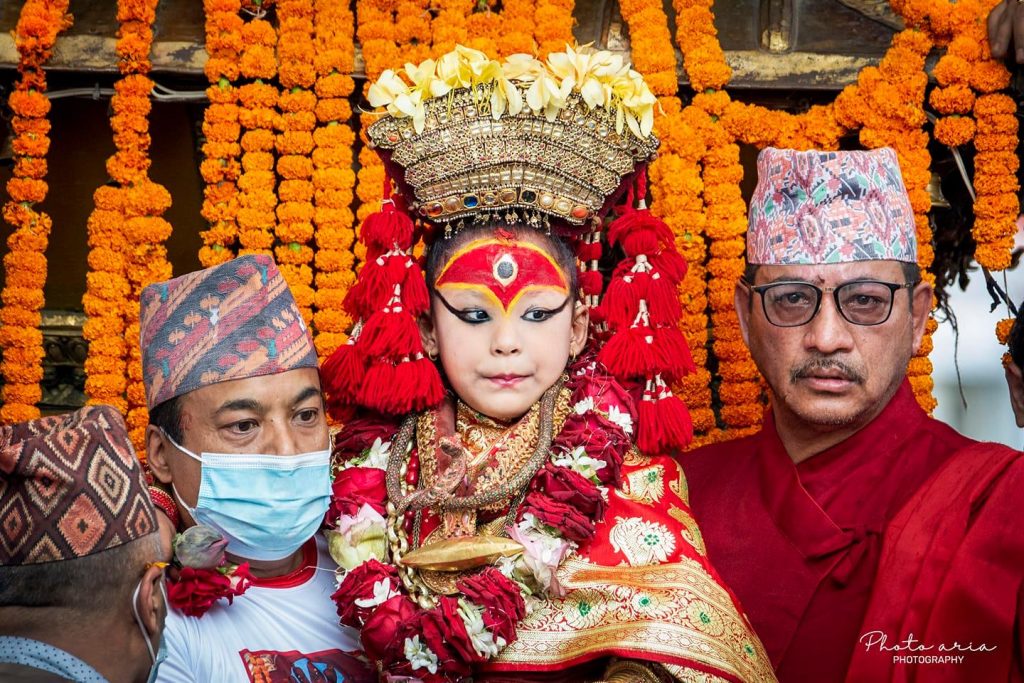
Once selected, the Kumari undergoes an elaborate initiation ceremony known as the Gufa Pravesh, where she is secluded from her family and community and resides in the Kumari Ghar, or Living Goddess Temple, in Kathmandu Durbar Square.
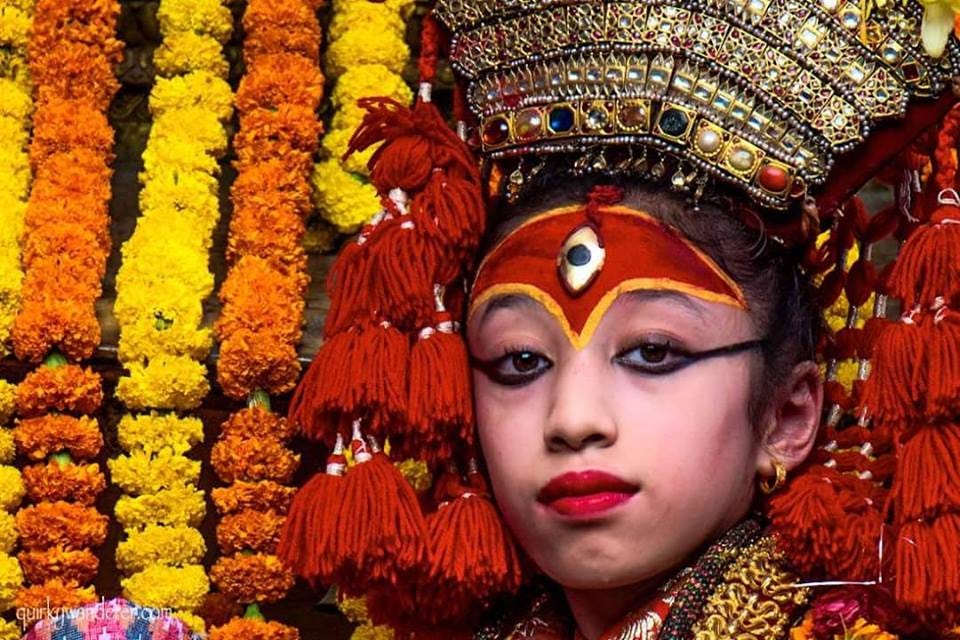
Symbolism and Significance:
The Kumari symbolizes purity, wisdom, and divine power. She is regarded as a protector of the city and is consulted by devotees seeking blessings and guidance.
Her presence is believed to bring prosperity and good fortune to Nepal. However, with the onset of puberty, the Kumari’s divine status is relinquished, and she returns to her ordinary life, while a new Kumari is selected to assume the revered role.
The tradition of the Living Goddess dates back centuries and is an integral part of Nepal’s cultural heritage. It reflects the country’s rich religious diversity and the harmonious coexistence of Hinduism and Buddhism.
The Kumari festival, known as Indra Jatra, is celebrated annually with great pomp and grandeur, attracting thousands of devotees and tourists from around the world.
While the Kumari herself embodies divine femininity, her selection process and the reverence she receives also serve as a testament to the importance of women in Nepalese society.
The tradition highlights the significance of empowering young girls and acknowledging their potential to become leaders and influencers.
As we honor women’s achievements and contributions on International Women’s Day, let us also pay homage to the Living Goddess of Nepal and the profound cultural legacy she represents.
The Kumari tradition serves as a reminder of the innate strength and divinity within every woman and the importance of preserving and celebrating our cultural heritage.
Happy Women’s Day!

